
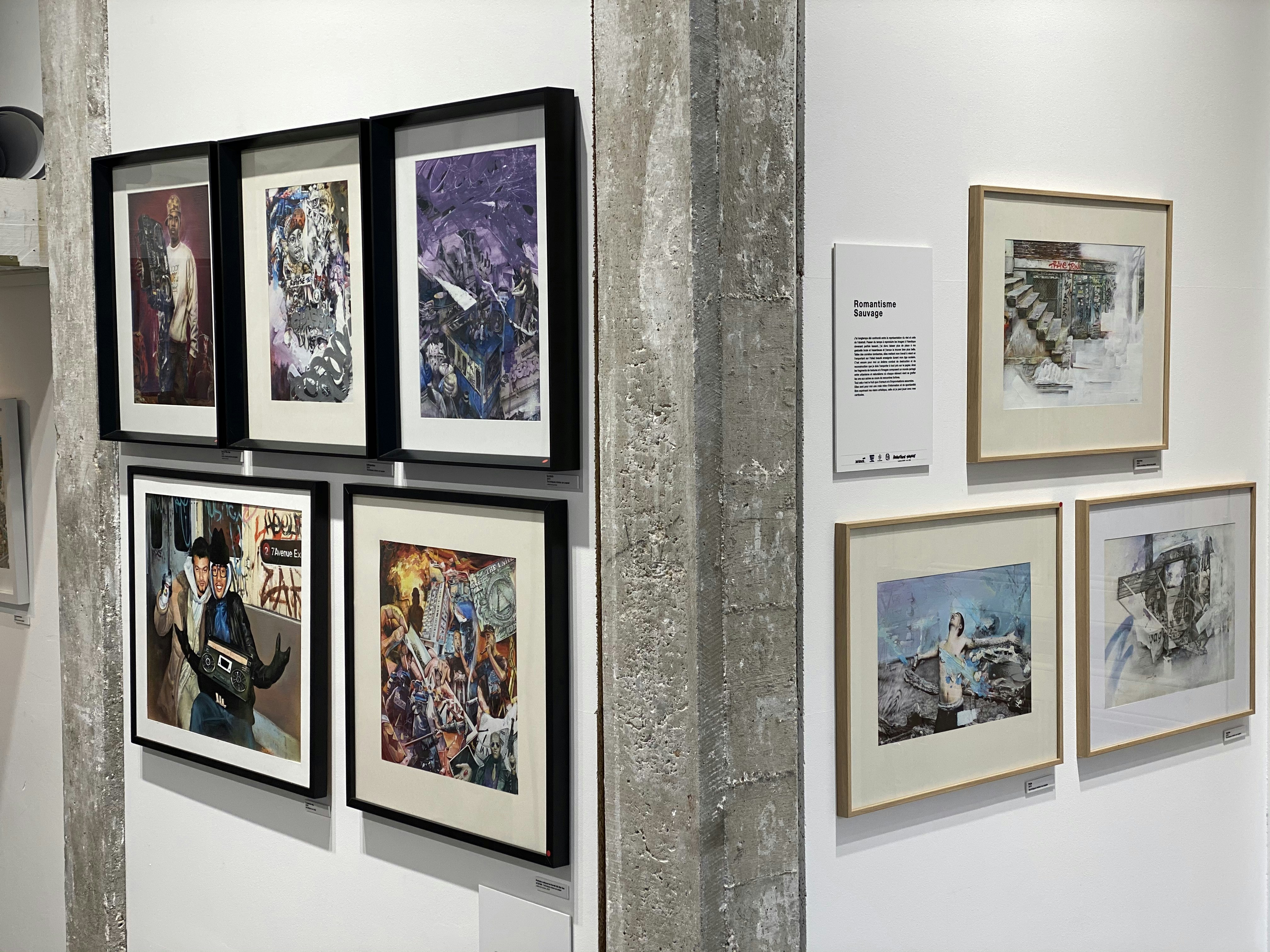
Introduction to Gallery Walls
The concept of gallery walls has evolved over time, emerging as a prominent feature in contemporary home decor. A gallery wall, characterized by a curated collection of artwork, photographs, and decorative items arranged on a single wall, serves as a canvas for personal expression. Historically, gallery walls were seen in art institutions and museums, showcasing curated selections of artwork to convey visual narratives. However, as interior design progressed, the adaptation of this concept into residential spaces allowed individuals to express their unique tastes and experiences.
In recent years, gallery walls have grown significantly in popularity among homeowners and interior decorators alike. They provide a versatile way to infuse personality into a living space while simultaneously breaking the monotony of traditional wall treatments. Artists and designers champion gallery walls for their ability to tell stories and evoke emotions, fostering a connection between the viewer and the curated pieces. These walls can encompass various dimensions, appealing to almost any aesthetic preference, from minimalistic to eclectic arrangements.
Moreover, the act of curating a gallery wall allows homeowners to engage their creativity, transforming the wall into a reflection of their journey, experiences, or interests. It becomes an ongoing project, inviting changes and additions over time. Each piece added can contribute to the overarching theme or narrative, making the gallery wall a dynamic component of home decor that can morph as our tastes evolve. Thus, gallery walls not only amplify the visual appeal of a space but also encapsulate the spirit and individuality of its inhabitants.
Understanding Your Space
Before embarking on the exciting journey of creating a gallery wall, it is essential to first assess the characteristics of your space. This initial evaluation will ensure that your curated collection not only enhances the aesthetic appeal of your home but also harmonizes with the architectural features of the room.
Begin by measuring the dimensions of the wall where you intend to create the gallery. Using a tape measure, take note of both the height and width. This pragmatic approach allows for a thoughtful arrangement of artworks and frames, ensuring that pieces do not overlap or appear cramped. Furthermore, consider the scale of the room; a large wall could benefit from a substantial arrangement of artwork, while a more intimate space might require a more focused approach.
In addition to size, evaluate the surrounding elements within your space. Analyze furniture layouts, color schemes, and any other decorative items that will complement or contrast with your gallery collection. For instance, if your surrounding decor features a minimalist style, a carefully curated gallery wall with a few select pieces may create a striking focal point.
Lighting plays a pivotal role in showcasing art effectively. Natural light can illuminate your gallery wall beautifully, but be cautious of direct sunlight, which could fade certain materials over time. If your space has limited natural light, you may want to consider adding adjustable track lighting or wall sconces. Proper illumination not only enhances the visibility of your artwork but also elevates the overall ambiance of the room.
Selecting Art Pieces
Curating the perfect gallery wall begins with thoughtfully selecting art pieces that resonate with your personal style and preferences. Art can take many forms, including paintings, photographs, and prints. Each type brings its unique charm and can contribute to the overall theme and aesthetic of the wall.
When choosing art, consider the various styles that appeal to you. Traditional options such as classical or impressionist paintings might suit those who appreciate historical influences, while abstract artworks may appeal to contemporary tastes. Photographs, whether vintage or modern, can add a unique visual narrative and personal touch to your collection. Prints, from illustrations to digital art, offer versatility and often more accessible pricing, allowing for a broad range to be included in your gallery wall.
Mixing different styles and mediums can create a dynamic gallery wall that captures attention. A harmonious balance can be struck by considering contrasting elements. For example, complementing a large abstract painting with smaller framed photographs can create both depth and visual interest. In terms of color scheme, aim for a cohesive palette that unifies the chosen pieces without being too monotonous.
Furthermore, personal taste plays a crucial role in the selection process. Before committing to any art selections, reflect on your interests and what themes resonate with you. This could be anything from nature and architecture to personal experiences and cultural influences. Guided by these reflections, you will not only create a gallery wall that aligns with your aesthetic preferences but also tells a story reflective of your journey and personality.
Choosing Frames and Mounting Techniques
A fundamental aspect of creating a visually appealing gallery wall is the choice of frames and mounting techniques. The style of a frame can significantly influence the overall aesthetic of the gallery wall, as it often serves as the first point of focus for viewers. Various frame styles—from minimalist to ornate—can complement or contrast with the artwork and photographs displayed, helping to define the character of the collection.
When selecting frames, consider the materials and colors that best suit the theme of your gallery wall. Wood frames can evoke a warm and rustic feel, while metal frames tend to lend a more contemporary look. Additionally, choosing a consistent frame style across your collection can engender a sense of cohesion, though mixing and matching different styles can also create an eclectic and dynamic effect. It is important to find a balance that suits both the space and the artwork.
Equally essential are the mounting techniques you employ. There are various ways to hang your frames, including using nails, picture hooks, or adhesive strips, which can affect how the collection is perceived. While traditional nails provide a sturdy hold, adhesive strips allow for easier adjustments without leaving marks on the wall. Furthermore, the spacing between each frame should be meticulously planned; an optimal distance of 2 to 4 inches between frames often achieves a clean and organized appearance. Consistent spacing not only affirms the gallery wall’s aesthetic appeal but also enhances the visual interaction between the individual pieces.
In summary, both the choice of frames and the methods used for mounting are crucial elements in creating a successful gallery wall. A thoughtful approach to these components will ensure that your collection is not only cohesive but also a true reflection of your personal style and taste.
Layout Planning
When creating a gallery wall, meticulous layout planning is essential to ensure a harmonious and visually appealing arrangement. One effective approach is to start by creating templates of the art pieces you intend to display. By tracing the outline of each artwork onto cardboard or paper, you can easily manipulate these templates on your wall to assess various configurations without the need for permanent fixing. This method allows for creative exploration and aids in visualizing the overall impact of your gallery wall.
Another useful technique in layout planning is the application of painter’s tape. By using tape, you can outline the dimensions of each art piece directly on the wall to further experiment with spacing and alignment. This step also provides a clear indication of the final arrangement, making it easier to visualize the overall composition. It is advisable to start with a central piece, and then build around it, ensuring that the layout flows well both horizontally and vertically.
Visual balance and harmony play a pivotal role in the successful execution of a gallery wall. Different sizes and shapes of artwork can generate interest, but it is crucial to maintain cohesion through a thoughtful arrangement. Grouping art pieces with similar colors or themes can help unify a collection, while strategically placing larger pieces can anchor the arrangement and create focal points. Aim for a balanced distribution of visual weight across the wall to prevent one section from overpowering another. This careful attention to layout planning fosters an engaging viewer experience and enhances the overall aesthetic of your gallery wall.
Creating a Focal Point
Creating an effective gallery wall requires careful consideration of the pieces you choose and how they interact with one another. One of the key aspects in achieving a cohesive and visually appealing display is establishing a focal point. A focal point draws the viewer’s attention and serves as the centerpiece of the arrangement. To create a standout piece within your gallery wall, consider selecting a prominent artwork or an eye-catching photograph that reflects your personal style and resonates with the overall theme of the collection.
Once you have identified this focal piece, the next step involves arranging the surrounding artworks in a manner that enhances its impact. It is important to place complementary pieces near your focal point to create a sense of harmony. Consider utilizing art that shares similar colors, themes, or styles to reinforce the dominant work’s message. For instance, if your focal piece is an abstract painting with vibrant hues, surrounding it with artworks that incorporate similar colors can create a cohesive visual flow.
In addition to color, varying the scale of the artworks can add depth and interest to the gallery wall. Position smaller artworks around the focal piece to accentuate its size and importance. In contrast, larger pieces can be used to diverge attention away from the focal point, should you wish to create a more dynamic arrangement. Remember to maintain an adequate amount of white space around each piece to avoid a cluttered appearance; this will allow the individual works to breathe and enhances the overall aesthetic of the gallery wall.
Ultimately, the success of your gallery wall in creating a focal point lies in thoughtful curation and arrangement. By strategically selecting and positioning your standout artwork alongside complementary pieces, you can craft a visually striking collection that truly reflects your personality and artistic vision.
Hanging the Artwork
Properly hanging your artwork is essential for creating a visually appealing gallery wall. The first step in this process involves gathering the necessary tools. You will typically need a tape measure, a level, a pencil, wall hooks or nails, and possibly a stud finder to ensure your artwork is securely mounted. If your art pieces are particularly heavy, consider using wall anchors or screws, which provide greater stability than nails alone.
Begin by choosing your arrangements on the floor or using painter’s tape on the wall to map out where each piece will be located. This preliminary arrangement will help you visualize how the final display will look. It’s crucial to take into account the height at which you will hang each piece, usually around eye level, which is approximately 57 to 60 inches from the ground. Ensure that larger pieces are placed in a focal point while allowing smaller works to complement without overwhelming the space.
Once you are confident in your arrangement, use the tape measure to accurately determine the distance from the floor and distance between each framed art piece, ensuring a consistent aesthetic. Mark the spots with a pencil where the top of each frame will hang. When you are ready to cut a nail or hook into the wall, use a level to ensure your artwork hangs straight. This guarantees that even slight adjustments during the hanging process do not compromise the overall design.
After securing the hooks or nails, carefully hang each piece, taking care to initially lift them from below to avoid any accidental drops. Finally, step back and assess the placement of each piece. This may involve minor adjustments to achieve the perfect gallery wall. By following these steps, you can create a beautifully curated collection that enhances your space.
Styling and Personal Touches
Creating a gallery wall is not simply about arranging framed art; it is an opportunity to express personal style and showcase unique character. To achieve a truly personalized gallery wall, consider incorporating a variety of decorative items that complement your artwork while adding depth and interest. For instance, you might include three-dimensional objects such as sculptures, decorative plates, or even handmade crafts to create visual variety.
In addition to these objects, shelves serve as an excellent means of enhancing the gallery wall’s aesthetic. By adding floating shelves, you can display books, plants, or framed photographs, allowing for an interplay of textures and colors. This layering effect adds dimension to the wall and can easily be adjusted to accommodate new items or seasonal changes, thereby ensuring that your gallery wall remains fresh and engaging.
To further personalize your gallery wall, consider integrating wall decals or stencils that impart a specific theme or message. Inspirational quotes or playful designs can harmonize beautifully with your framed art, creating a cohesive narrative that draws the eye and encourages reflection. When selecting decals, it is essential to ensure they align with your overall vision for the space, maintaining a sense of unity throughout the gallery.
Ultimately, the styling of your gallery wall should reflect your individual taste and personality. By thoughtfully combining various elements—decorative items, shelves, and wall decals—you can create a remarkable display that not only highlights your art collection but also transforms your space into a true representation of who you are. The nuances in these personal touches can result in a gallery wall that feels inviting and uniquely yours.
Maintenance and Revisions
Creating a captivating gallery wall requires not only initial curation but also ongoing maintenance and thoughtful revisions. Over time, personal tastes evolve, and new art may inspire the desire for change. Regularly refreshing your display can keep it dynamic and aligned with your current aesthetic preferences.
To maintain your gallery wall effectively, start by assessing the existing arrangement. Take note of how the artwork interacts with each other and the space. It might be beneficial to swap out pieces every few months, replacing artworks that no longer resonate with you or adding pieces that reflect your growth as an individual. This process can become a creative ritual, allowing you to celebrate your changing tastes while also ensuring the wall remains an engaging focal point in your home.
When selecting new pieces to introduce, consider the color palette and style of your existing collection. Look for artworks that complement rather than clash with current installations. It’s also a good opportunity to experiment with different types of media, such as photography, textiles, or three-dimensional objects, which can add depth and variety to your display.
Additionally, take time to care for the artwork itself. Dust off frames and clean glass surfaces regularly to ensure that your gallery wall remains visually appealing. This maintenance not only prolongs the life of your art but also enhances the overall presentation, ensuring that each piece is showcased at its best.
Ultimately, the gallery wall should be a reflection of your journey, both artistically and personally. By committing to periodic maintenance and revisions, you ensure that your wall continues to tell your evolving story, inspiring you and visitors alike.