
Introduction to Biophilic Design
Biophilic design is a concept that emphasizes the human connection to nature and its benefits on overall well-being. Rooted in the biophilia hypothesis, which posits an inherent affinity humans have towards the natural environment, this approach emerged prominently during the late 20th century. The premise of biophilic design is that integrating natural elements into our living and working spaces can significantly enhance not only aesthetics but also mental health and productivity.
In modern architecture and interior design, biophilic design is gaining traction as a response to urbanization and the increasing disconnect between people and nature. As cities become more populated and technology occupies more of our lives, the need for a design philosophy that mitigates stress and promotes wellness is vital. Incorporating natural light, vegetation, water features, and natural materials into building designs can create environments that nurture human senses and improve psychological comfort.
Research indicates that biophilic elements in our surroundings help lower cortisol levels, enhance mood, and increase focus. For instance, access to natural light is shown to improve one’s circadian rhythm, ensuring better sleep patterns and overall health. Greenery, whether through plants or green walls, not only beautifies a space but also contributes to better air quality and a sense of calm. By reinstating these essential natural connections, biophilic design accounts for the physiological and psychological impacts that our environments have on us.
This exploration of biophilic design will delve into practical methods to incorporate these concepts into various settings. By understanding its significance and applications, we can better appreciate the healing power of nature and its capacity to foster a more fulfilling and enriching lifestyle indoors.
The Science Behind Biophilic Design
Biophilic design is an innovative approach that enhances our surroundings by incorporating natural elements, thereby fostering a connection between individuals and the environment. Numerous studies support the notion that exposure to nature yields significant psychological and physiological benefits. The core principle of biophilic design rests on the idea that humans have an inherent affinity for nature, which is deeply rooted in our evolutionary history.
Research has demonstrated that environments enriched with natural features can lower levels of stress and anxiety. A study conducted at the University of Queensland revealed that office workers with views of nature reported 23% higher levels of satisfaction and significantly improved moods compared to those in traditional workspaces devoid of greenery. This indicates that integrating natural elements into indoor environments can enhance overall emotional well-being.
Furthermore, biophilic design has been associated with increased productivity and creative thinking. A report published in the Journal of Environmental Psychology found that individuals exposed to nature-inspired designs performed better on tasks requiring focus and creativity. This suggests that the restorative properties of nature can rejuvenate the mind, thus facilitating improved cognitive functions.
Additionally, exposure to natural light has been shown to play a pivotal role in regulating circadian rhythms, ultimately enhancing sleep quality. The incorporation of daylight within built environments can foster healthier living conditions, contributing to physical well-being alongside mental health benefits.
In conclusion, the scientific evidence supporting biophilic design underscores its importance in modern architecture and interior design. By embracing this approach, we not only enhance the aesthetic quality of our spaces but also promote psychological resilience and physical health, making it an invaluable aspect of contemporary living.
Incorporating Natural Light
Natural light plays a crucial role in biophilic design, as it has profound effects on both mental well-being and physical health. Maximizing sunlight in indoor spaces can enhance mood, boost energy levels, and create a more vivid and refreshing atmosphere. To achieve this, various techniques can be employed to effectively incorporate natural light into the design of interiors.
One effective method is the installation of skylights. Skylights not only allow direct sunlight to flood a space but also provide a unique perspective of the sky, creating an uplifting environment. Placing skylights strategically in areas that receive ample sunlight can illuminate dark corners and make the space feel more expansive.
In addition to skylights, large windows are another fundamental component in harnessing natural light. By utilizing expansive glass walls or oversized windows, designers can create a seamless transition between the indoors and outdoors. This not only allows for maximum light penetration but also invites the beauty of nature into the living space. Consider using double-glazed windows that reduce energy costs while still allowing natural light to shine through.
Reflective surfaces can further enhance the effects of natural light in indoor environments. Employing light-colored walls, mirrors, and glossy surfaces can amplify sunlight, making spaces feel brighter and airier. Reflective materials not only bounce light around but can also add a touch of elegance to a room.
It is essential to balance the incorporation of natural light with considerations for energy efficiency and temperature control. Utilizing shades or screens can help modulate the intensity of sunlight during different times of the day, ensuring comfort while still enjoying the benefits of natural illumination.
Bringing in Natural Materials
Incorporating natural materials into interior design is a fundamental aspect of biophilic design. Elements such as wood, stone, and plants not only enhance the aesthetic appeal of a space but also provide a tactile quality that connects individuals to the natural world. Wood, with its warm tones and unique grain patterns, can create a sense of comfort and familiarity, encouraging occupants to feel more at ease. Whether used in flooring, wall treatments, or furniture, wooden elements add depth and warmth that artificial materials often lack.
Stone, another quintessential natural material, brings an element of timelessness and stability to interiors. Its varied textures and hues can evoke feelings of grounding and serenity. Incorporating stone countertops, accent walls, or flooring can resonate with elements of nature and imbue a space with both ruggedness and elegance. Combining these materials thoughtfully can effectively extend the natural environment into indoor settings, offering visual diversity while maintaining harmony with the overall design.
Additionally, the introduction of plants into interior spaces is vital for fostering a connection with nature. Not only do plants improve air quality, but they also elevate mood, enhance productivity, and reduce stress levels. The varying shapes, sizes, and colors of indoor plants can create visual interest and richness in a design scheme. Strategically placing greenery, whether it be through potted plants, wall-mounted installations, or living walls, enriches the sensory experience of a space.
In summary, utilizing natural materials such as wood, stone, and plants in interior design plays a crucial role in crafting spaces that promote well-being, tranquility, and a sense of connection to nature. By thoughtfully selecting and integrating these elements, designers can cultivate environments that not only look beautiful but also foster healing and rejuvenation for their occupants.
Incorporating Indoor Plants into Your Environment
Indoor plants play a pivotal role in biophilic design, enhancing both the aesthetic appeal and the emotional wellbeing of a space. By seamlessly integrating greenery into various environments, one can foster a stronger connection to nature while reaping health benefits as well. The presence of plants is not merely decorative; they serve as natural air purifiers, reducing pollutants and contributing to improved indoor air quality.
When adding indoor plants, it is essential to select varieties that suit the specific conditions of your space. Low-light areas can effectively support plants such as snake plants, pothos, or ZZ plants, which thrive with minimal sunlight. For brighter environments, consider options like fiddle leaf figs or peace lilies. Ensuring that you choose the appropriate species for the light and humidity conditions will significantly increase the plants’ longevity and impact.
In terms of placement, consider creating focal points with larger plants in corners or near furniture to create a sense of balance. Alternatively, smaller plants can be grouped together on shelves or window sills to form attractive displays. Hanging plants are another effective way to incorporate greenery without consuming valuable floor space, especially in smaller apartments or offices.
Additionally, maintaining the health of your plants is essential for maximizing their benefits. Regularly watering, dusting leaves, and providing suitable fertilizers will keep your indoor greenery thriving. This not only ensures the plants’ survival but also maximizes their air-purifying capabilities, enhancing the overall atmosphere of the space.
In summary, integrating indoor plants as part of biophilic design enhances both the look and feel of an environment. Not only do they improve aesthetics, but they also contribute to better air quality and overall wellness. By choosing appropriate species and caring for them diligently, individuals can bring a touch of nature indoors and enjoy its myriad benefits.
Creating Views of Nature
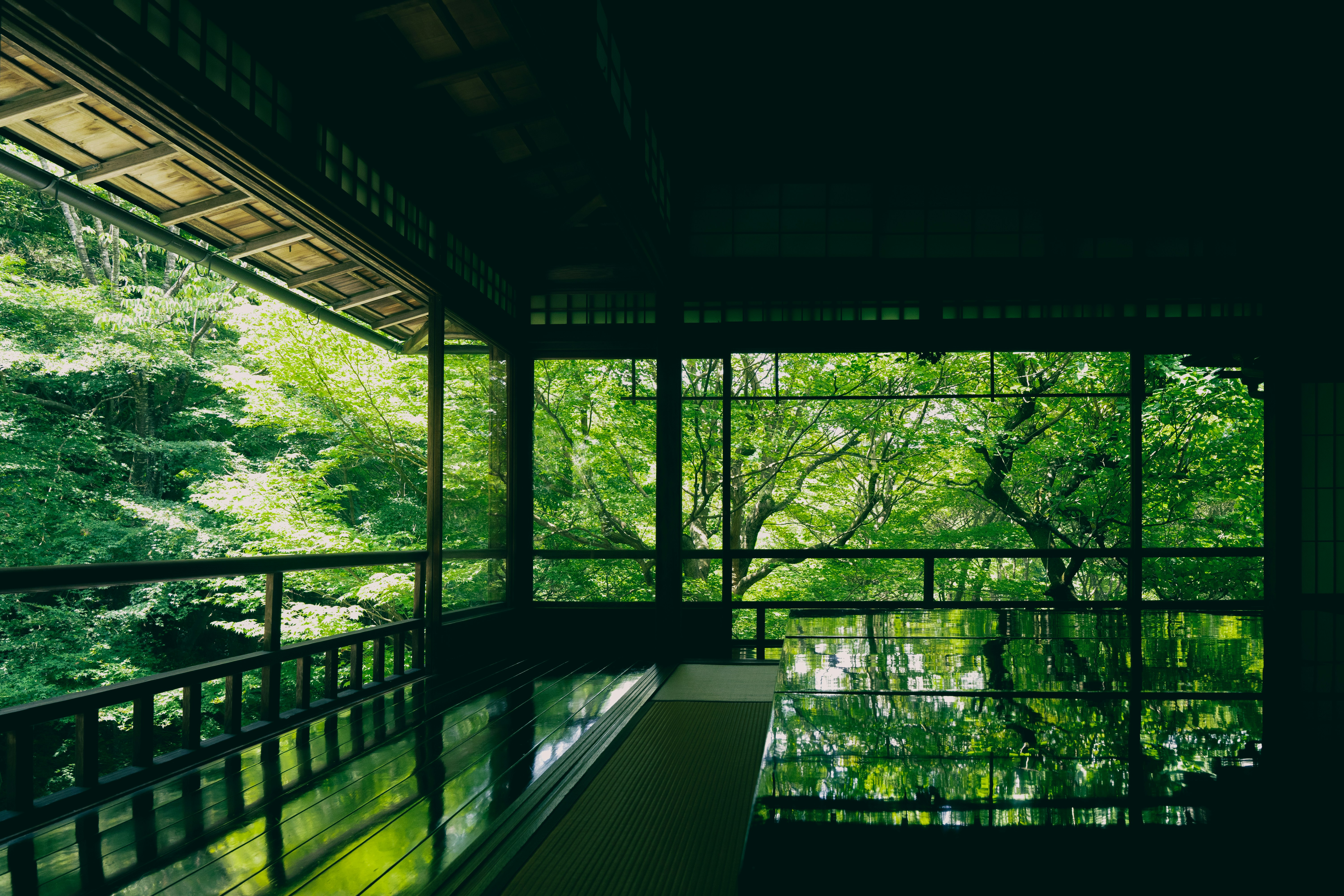
One of the core tenets of biophilic design is the integration of natural elements into indoor spaces. A fundamental strategy for achieving this is by optimizing views of the outdoors. Positioning furniture in alignment to large windows or openings can create a seamless connection between indoor and outdoor environments. By allowing ample natural light and verdant landscapes to be visible, rooms become imbued with a sense of tranquility and continuity with nature.
Strategically placing seating areas near windows or outdoor views not only enhances the aesthetic appeal but also promotes well-being amongst occupants. This layout fosters an immersive experience that resonates deeply with the principles of biophilia, making individuals feel more grounded and connected. Moreover, incorporating elements such as indoor plants, which mimic the surrounding flora, can further enrich the experience, bringing aspects of the outdoor landscape into the interiors.
For those who may not have access to direct outdoor views—such as individuals living in high-rise buildings or urban settings—alternative strategies can be employed to evoke the essence of nature. Artwork depicting landscapes, botanical prints, and nature-inspired decor can serve as effective substitutes. Additionally, the use of wallpapers featuring natural scenery can transport individuals visually, creating an indoor experience reminiscent of outdoor settings.
Further, digital displays can be integrated within the space to showcase nature imagery continuously. This technological approach not only enhances the visual appeal of an area but can also evoke positive emotional responses similar to those nurtured by real views. Through these methods, the healing properties of nature can be introduced indoors, reinforcing the evidence that views of natural environments contribute significantly to mental well-being.
Water Features in Interior Spaces
Incorporating indoor water features can significantly enhance the ambiance of interior spaces by promoting tranquility and a connection to nature. Water elements, such as fountains and aquariums, are not merely decorative; they serve to create a serene environment while providing numerous psychological benefits. The sound of flowing water can alleviate stress, reduce noise pollution, and foster a peaceful atmosphere in homes or offices.
Fountains are particularly effective in indoor settings, as they create a soothing auditory backdrop that captivates the senses. When selecting a fountain, it is advisable to consider the size and style that complements the existing decor. Wall-mounted fountains, tabletop designs, or larger freestanding units can be tailored to various room sizes and aesthetics. The gentle flow of water not only beautifies the space but also encourages relaxation and reflection, enhancing overall well-being.
Aquariums also play a crucial role in promoting biophilic design. The combination of water, plants, and aquatic life provides an engaging visual experience that can mesmerize viewers. Regular interaction with aquariums is shown to improve mood and decrease anxiety levels. Additionally, the implementation of live plants within the aquarium can further enhance the organic feel while simultaneously purifying the air and water.
Moreover, both fountains and aquariums can act as focal points within a room, providing an opportunity for these features to engage individuals in a calming manner. The visual appeal of moving water, combined with the reflections and brightness of aquatic plants and fish, creates a dynamic environment. Hence, integrating water features into interior spaces can truly encapsulate the healing power of nature, fostering a sanctuary that prioritizes serenity and elegance.
Encouraging Natural Movement and Flow
Biophilic design emphasizes the importance of fostering natural movement within a space, which contributes positively to overall well-being. By creating open layouts that encourage fluidity, designers enable inhabitants to navigate through environments with greater ease and efficiency. An open floor plan, for instance, minimizes physical barriers, allowing for seamless transitions between different areas, thus promoting continuous movement.
Integrating nature-inspired pathways is another crucial aspect of enhancing mobility. Pathways that mimic those found in natural settings can guide occupants through spaces in an organic manner, encouraging exploration and interaction with nature within an indoor environment. For example, winding walkways or varied textures underfoot can provide sensory engagement while enhancing movement. By strategically placing elements like greenery or water features along these pathways, designers facilitate a deeper connection with nature, evoking a sense of tranquility and rejuvenation.
Moreover, the use of materials and colors reminiscent of the outdoors can enhance the experience of mobility. Light wood floors, stone surfaces, or earth-toned paints can evoke feelings of being in nature, making the space feel more inviting and less confining. This integration not only promotes a dynamic movement but also encourages individuals to engage in physical activity, such as walking or stretching, thus contributing to their health.
In summary, incorporating biophilic design principles by promoting open layouts and nature-inspired pathways effectively encourages natural movement within indoor environments. This approach not only increases mobility and enhances the user experience, but also fosters a sense of well-being through a closer connection to nature. By prioritizing these elements, designers can create spaces that support a healthier lifestyle and enrich the lives of those who inhabit them.
Conclusion and Call to Action
In light of the various benefits highlighted throughout this blog post, it becomes evident that incorporating biophilic design into our living and working spaces can significantly enhance our overall well-being. By integrating elements of nature, such as plants, natural light, and organic materials, we create environments that not only promote health but also foster a sense of calm and connectivity to the natural world.
Implementing these biophilic design principles does not require extensive renovation or a large budget. Simple actions, such as adding indoor plants, utilizing natural colors and textures, and maximizing daylight access, can dramatically influence the atmosphere in any space. These small yet effective changes can lead to improvements in mood, productivity, and even physical health.
As you reflect on the strategies presented herein, consider how you might adapt these elements within your own home or workplace. Engaging with nature, even in minor ways, can offer profound mental and emotional benefits, making us feel more grounded and connected. Don’t underestimate the power of nature; even a single potted plant can produce a noticeable shift in energy.
We encourage you to take action and embrace the transformative effects of biophilic design. By doing so, you contribute not only to your own health and happiness but also promote a broader movement toward sustainable and health-oriented living environments. Join us in making conscious choices that celebrate nature and its vital role in our lives. Let’s work together toward creating spaces that nurture both body and soul.